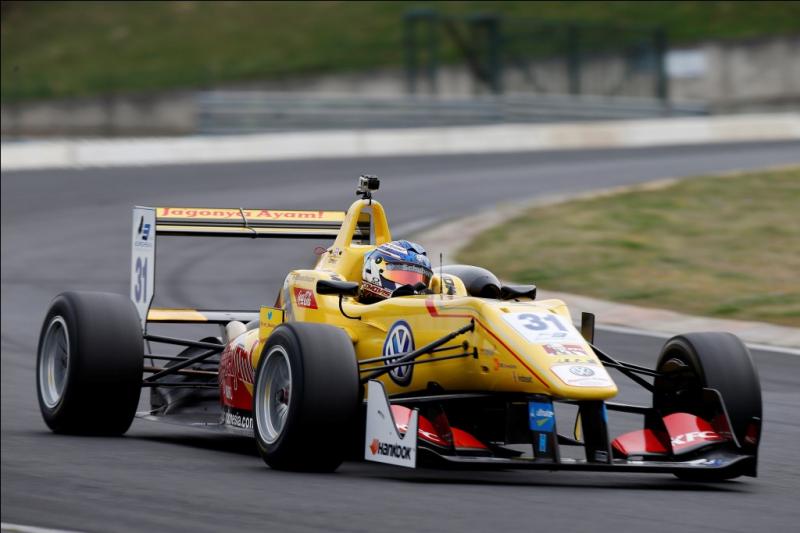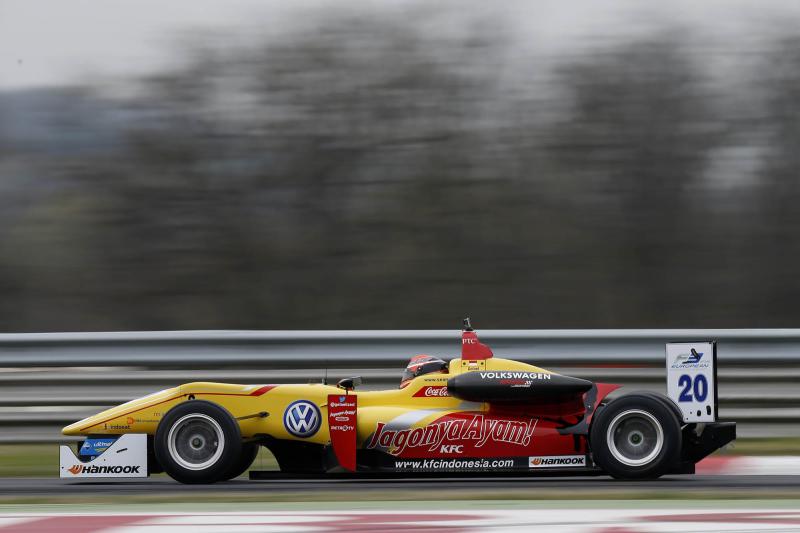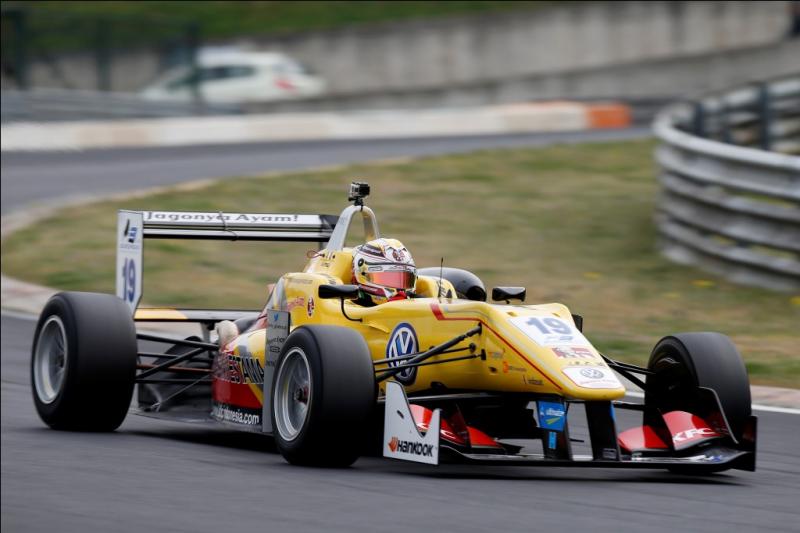
Red Bull Rings, 29th May 2013 - After his amazing performance in the opening round of the British Formula 3 International Series at Silverstone, where he took two third places, Sean Gelael returns to the FIA Formula 3 European Championship to fly the flag for Indonesia this coming weekend.
The races will take place at the Red Bull Ring, in the beautiful Steiermarkmountains of Austria. On this site, the Austrian Formula 1 Grand Prix was held annually between 1970 and 1987, but the track became too fast and dangerous for modern Formula 1 cars. The World Championship returned in the late 1990s on a much-modified circuit, and ran through to the early 2000s.
It is on this newer track, now owned by Red Bull, that the Formula 3 cars will race this weekend. Gelael’s confidence is buoyed from Silverstone, but there is one man within Sean’s Double R Racing team whose job it is to always keep the drivers confident and look for areas to improve…
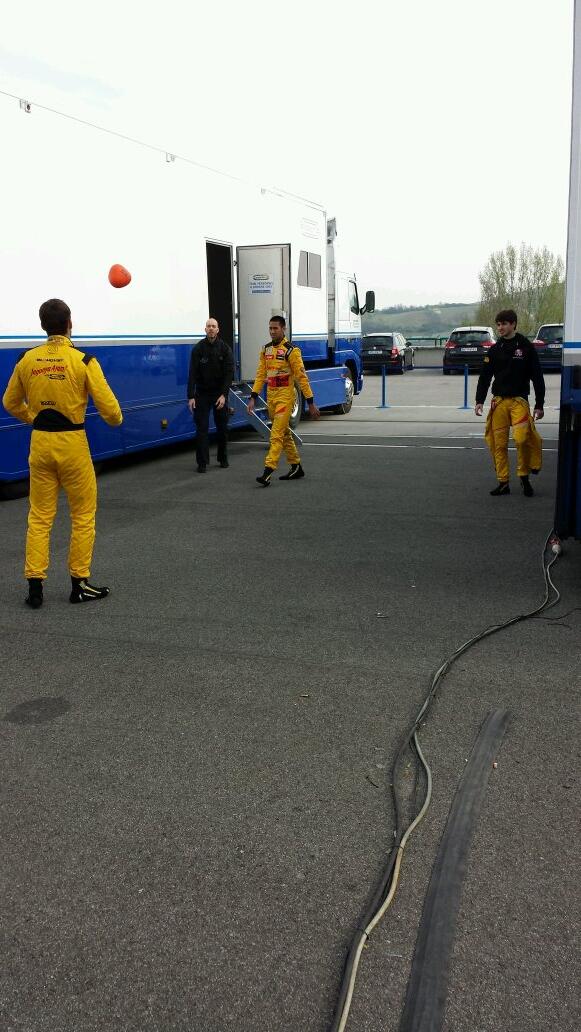
Any sportsman needs a good coach, and motor racing is no exception. Double R Racing’s driver coach is Marko Asmer, who won the British Formula 3 title in 2007. On his way towards the top, he became the first driver from his native Estonia to test a Formula 1 car when he drove for the famous Williams team.
But, like so many drivers, the opportunities ran out for Asmer as he tried to establish himself as a professional racer. This is lucky for Double R Racing, as the fact that he is not racing means that they have one of the best coaches around!
“Sean is very young and inexperienced and it was a big step to Formula 3 from what he had done before,” says Marko. “He is the youngest driver on the grid, he has a very steep learning curve and he also has his studies at home in Indonesia. Every track we go to is new for him, and all the drivers get is two 40-minute practice sessions that are so close together than we can never check the data.”
The action on a typical race weekend begins on Friday, so Asmer walks the track on Thursday with the Double R drivers. “Even before they get to the track we try to give them as much information as possible,” he adds. “To walk around a 4km circuit like the Red Bull Ring takes us about an hour. We stop at all the corners, check the track surfaces and all the kerbs – what kerbs you can go over, what kerbs you can’t go over, and what kerbs you have to go over!
“For me the learning process is easy. I have been around for 10 years now, and it is easy to see things that the drivers are doing, but I can help with technique and preparation, and also with how to cope with each event, because they are all different.”
During practice and qualifying sessions, Marko usually stands at a corner by the track and has communication with the drivers’ race engineers in the pits. If they are doing something wrong or right, he can make sure the message gets across. Of course, far more is learned during the private test days, but the problem is that these are limited in the FIA European championship regulations so that costs are kept under control.
“Race weekends are more about sorting out lots of little things,” says Asmer. “But when you have a full day of testing, this is when you can really work on the details – where the driver is braking, his throttle application, all these things. And also we can practise starts.”
Marko is impressed with how Sean is coping with his big step from Formula Pilota China to F3 in Europe at the age of 16. “He is a good guy,” he says. “All these drivers he is racing against have done a lot of laps at most of these tracks, and he has not done any.
“When he goes back to circuits he has already been to, like Silverstone last weekend, he is much stronger already. There are so many things that are new but he has done really well.
“OK, he will make some mistakes this season, but without those mistakes you never learn – it is part of the whole process of becoming a leading driver.”